MOHS Micrographic Reconstruction
Specialized facial plastic reconstructive surgery to restore natural aesthetics, function, and form following skin cancer excision.
Overview
MOHS micrographic surgery is the gold standard for removing facial skin cancers (basal cell carcinoma, squamous cell carcinoma, and melanoma) with maximum tissue conservation. However, once your dermatologist confirms tumor-free margins, patients are left with an open surgical wound on highly visible facial areas. Dr. Garrett Ni specializes in facial plastic reconstructive surgery following MOHS excision, employing advanced local flap rotation, cartilage grafting, and full-thickness skin graft techniques. His goal is to seamlessly reconstruct delicate facial units—such as the nose, eyelids, lips, ears, and cheeks—so that the reconstruction blends invisibly with surrounding tissue while preserving natural breathing, speaking, and facial movement.
Who It Is For
Patients who have undergone or are scheduled for MOHS cancer resection on sensitive facial areas including the nose, eyelids, lips, cheeks, ears, or forehead.
Key Anatomical Zones
Reconstruction is designed according to natural facial subunits (Burget & Menick principles) so that incision borders hide within natural shadows.
Uses adjacent tissue with matching skin color, thickness, and texture (bilobed, rhomboid, or advancement flaps) for seamless matching.
Replaces missing nasal alar or ear cartilage using ear or septal cartilage grafts to prevent functional airway collapse.
Atraumatic micro-surgical techniques preserve blood supply and promote rapid capillary integration without necrosis.
Dr. Ni’s Approach
Dr. Ni’s five-year Otolaryngology Head and Neck Surgery residency at Temple University and UCLA medical fellowship provide extensive microvascular and complex facial reconstructive flap expertise. He strictly adheres to facial aesthetic subunit principles, placing flap incisions within natural wrinkle lines, shadows, and anatomical borders to camouflage reconstructive scars. The result is a natural appearance that allows patients to move past their skin cancer journey with confidence.
Surgical & Anatomical Technique
Following inspection of the defect, adjacent tissue laxity is assessed. Dr. Ni designs a custom local flap (e.g., bilobed flap for lower third nasal defects, nasolabial flap for alar rim, or cheek advancement for medial cheek). Cartilage framework grafts are placed if structural support was excised. The flap is mobilized in the exact subcutaneous plane, transposed without tension, and inset with microscopic multi-layered closures.
The Experience
Coordinated care with your dermatologist. Same-day or next-day reconstruction after verified clear MOHS margins.
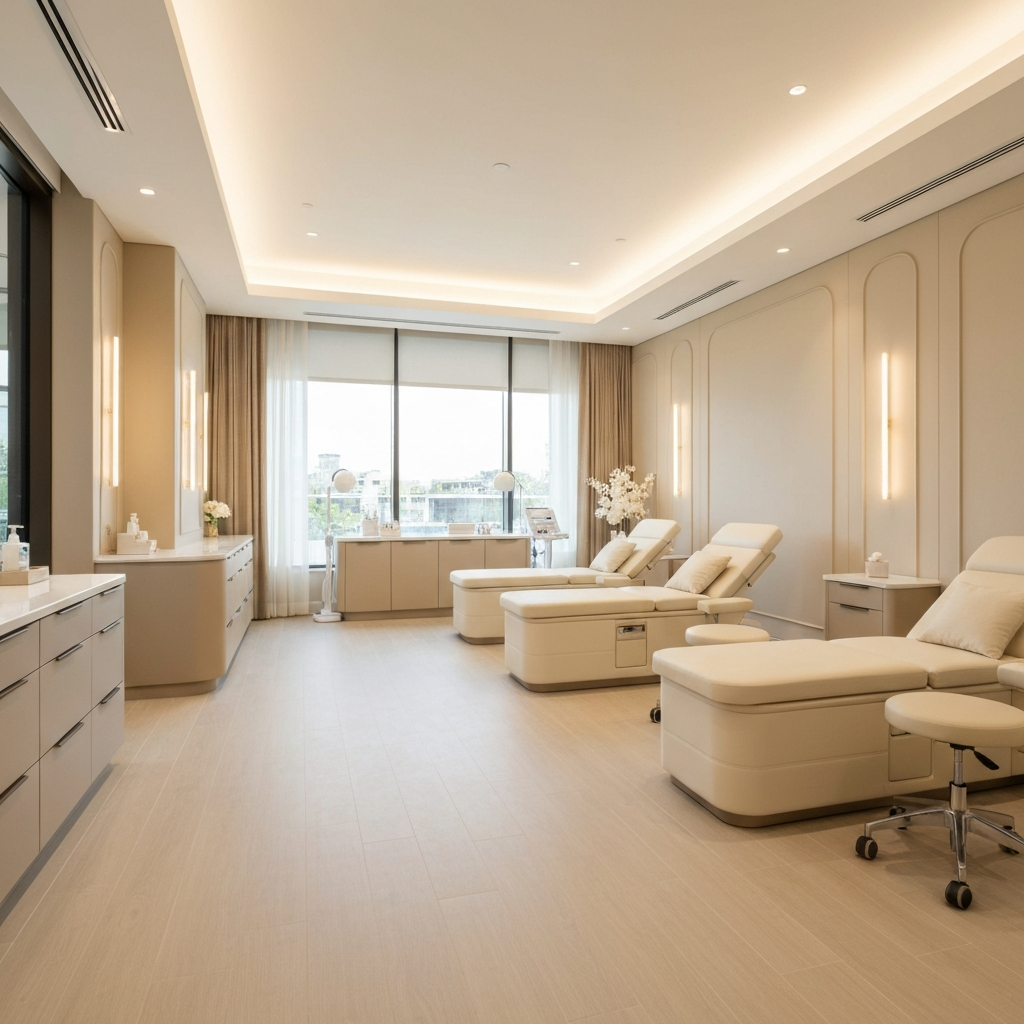
Performed comfortably under gentle local anesthesia right in our peaceful Mount Carmel office suites for most defects.
Recovery Timeline
Sutures are removed in 5-7 days. Flap maturation and scar softening continue over several months, supported by in-office laser scar therapy if needed.
Light protective dressing kept clean with antibiotic ointment. Pain is minimal and managed easily.
Delicate facial sutures removed in-office. Flap edges have securely sealed.
Patients comfortably resume social activities, office work, and light exercise.
Flap softens and blends seamlessly into surrounding skin; incision lines become nearly imperceptible.
Why Choose Dr. Garrett Ni
Double board-certified facial plastic and reconstructive surgeon with advanced microvascular fellowship training.
Fellowship-trained at Ronald Reagan UCLA Medical Center, one of the nation's premier tertiary reconstructive centers.
Seamless coordination with southeastern Illinois dermatologists and MOHS surgeons.
Compassionate, reassuring patient care focused on restoring both form and peace of mind.
What It Treats
- MOHS surgical defects on delicate central facial units
- Loss of nasal subunit skin, cartilage, or airway support
- Eyelid margin defects requiring lacrimal and eyelid closure preservation
- Perioral and lip vermilion boundary defects
- Facial scarring, contour divots, and asymmetric tissue loss
Key Benefits
- Restores natural facial aesthetics and structural integrity
- Preserves delicate anatomical functions (nasal breathing, eye closure, lip speech)
- Incisions placed within natural aesthetic subunits and wrinkle lines
- Comprehensive reconstructive expertise from UCLA fellowship training
- Comfortable in-office local anesthesia options for patient convenience
- Medical insurance routinely covers reconstructive repair after skin cancer
Frequently Asked Questions
Common questions about MOHS Micrographic Reconstruction.
Related Procedures
Schedule Your Private Consultation
Consult personally with Dr. Garrett Ni at our Mount Carmel practice to discuss your aesthetic goals and receive an individualized surgical plan.